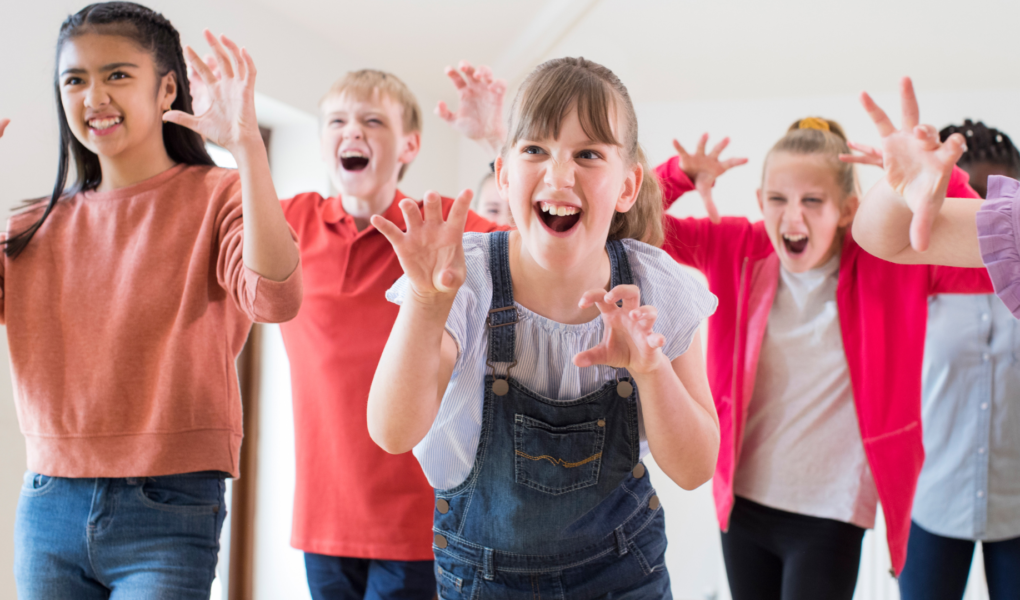
In the hustle and bustle of modern life, it’s easy to overlook the importance of creativity. Yet, fostering creativity in children is crucial for their holistic development. Engaging in the creative arts—whether it’s painting, sculpting, dancing, or acting—offers numerous benefits that go far beyond mere self-expression. Let’s delve into why the creative arts are so invaluable for children.
Encourages Self-Expression
Creativity provides children with a means of expressing themselves in ways that words alone cannot convey. Through painting, drawing, writing, or crafting, they can explore their thoughts, feelings, and experiences, fostering a deeper understanding of themselves and the world around them. This ability to express oneself freely is essential for emotional well-being and self-discovery.
Stimulates Imagination and Innovation
Engaging in the creative arts ignites the imagination, fueling a sense of wonder and curiosity. When children paint imaginary worlds, invent stories, or create sculptures from clay, they learn to think outside the box and envision possibilities beyond the constraints of reality. This imaginative thinking lays the groundwork for innovation and problem-solving in all aspects of life.
Enhances Cognitive Development
The creative arts engage multiple cognitive processes, including perception, memory, and spatial reasoning. Whether it’s learning to read music, choreographing a dance routine, or understanding colour theory, children’s brains are constantly at work, making connections and developing new skills. This independent day school has shown that exposure to the arts can improve academic performance and critical thinking skills.
Promotes Emotional Intelligence
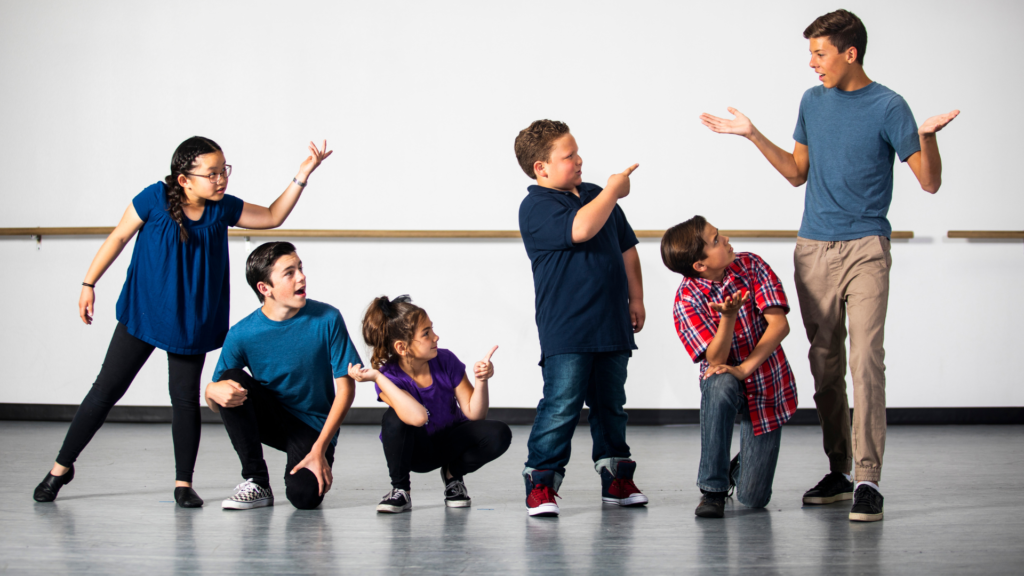
Creativity fosters emotional intelligence by encouraging children to explore and understand their emotions through artistic expression. Whether they’re painting a picture of their feelings, writing a poem about their experiences, or acting out a scene in a play, children learn to identify and regulate their emotions in healthy ways. This emotional awareness helps them navigate relationships and cope with life’s challenges more effectively.
Builds Confidence and Self-Esteem
When children create something—a painting, a piece of music, a dance—they take pride in their accomplishments. Success in the creative arts boosts self-esteem and confidence, validating children’s abilities and talents. Moreover, the process of creating art encourages risk-taking and resilience, as children learn to embrace mistakes and setbacks as opportunities for growth.
Fosters Collaboration and Communication
Many creative activities involve collaboration and teamwork, whether it’s rehearsing a play with fellow actors, painting a mural with classmates, or composing music in a band. By working together towards a common artistic goal, children learn to communicate effectively, listen to others’ ideas, and compromise—a valuable skill set for success in any social or professional setting.
In a world that increasingly prioritises standardised testing and academic achievement, it’s essential not to overlook the importance of the creative arts in children’s education. Creativity is not just a luxury; it’s a fundamental aspect of human expression and development.
By nurturing creativity in children through painting, drawing, music, dance, and theatre, we empower them to become imaginative thinkers, emotionally intelligent individuals, and confident, collaborative problem solvers. So, let’s celebrate and support the creative arts in children’s lives, knowing that they play a vital role in shaping the innovators, leaders, and empathetic citizens of tomorrow.